THE JOURNAL
Meal prep recipes, planning and food storage
Eight complete guides. Your own pace.
Lunch bowls4 min read
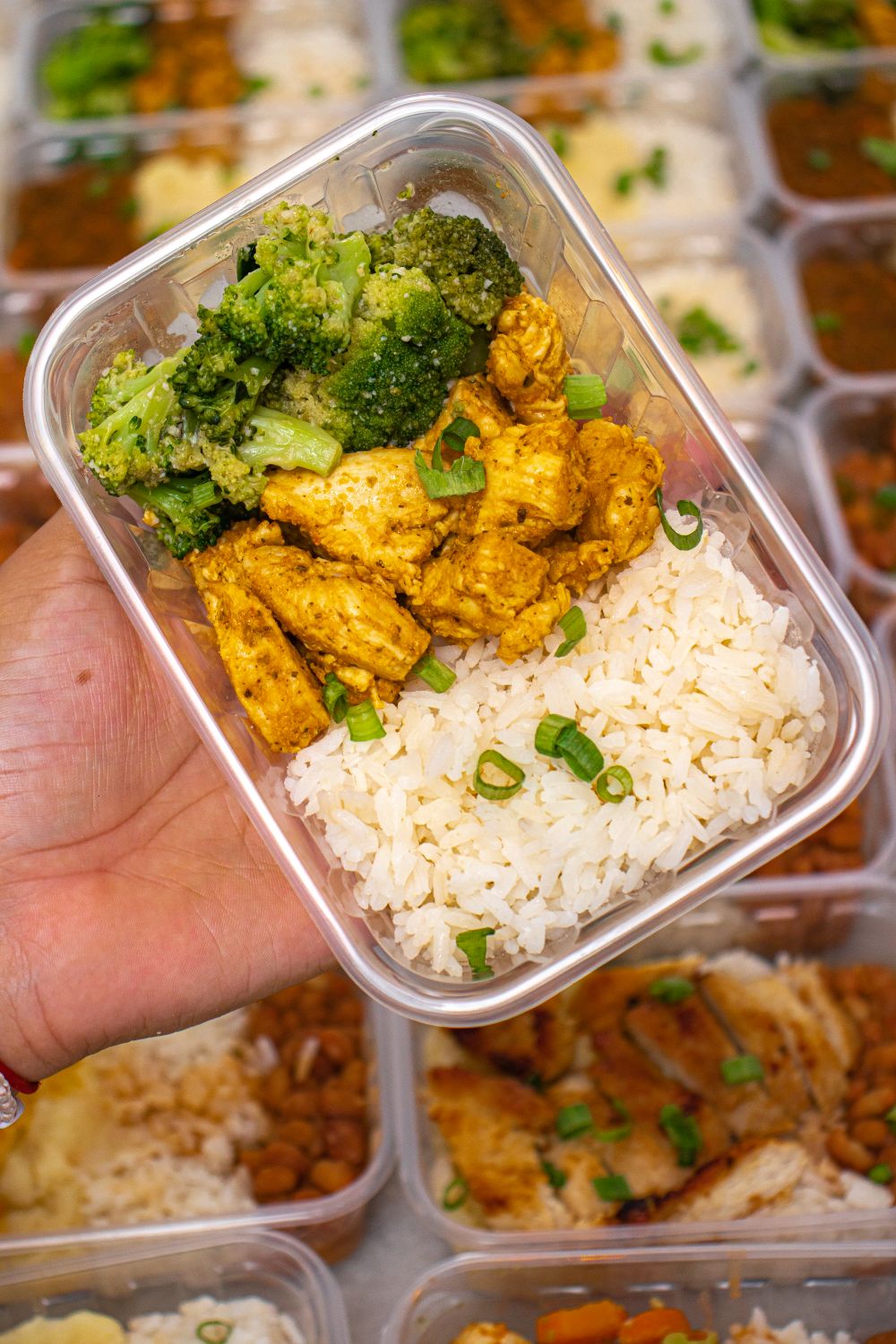
Four lunches are easier to organise when the grain, chicken and vegetables are cooked as separate components. This version uses a simple lemon dressing kept on the side. It is a practical preparation plan rather than a calorie-controlled diet, and it includes a safe storage approach for the portions you will not eat immediately.
Read the guide ↗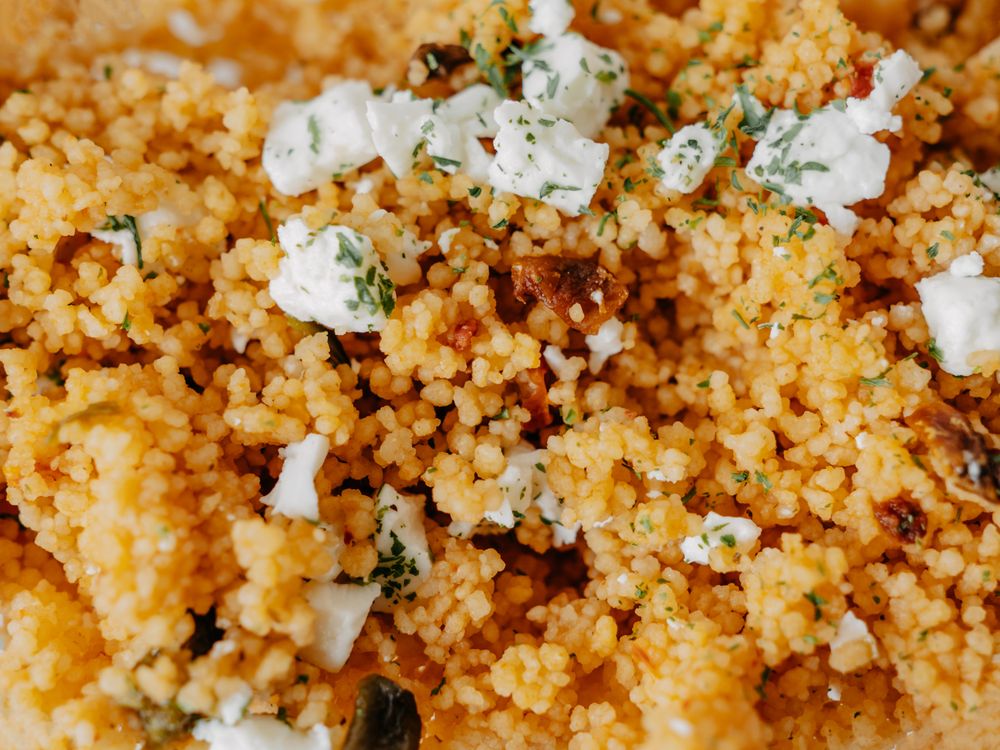
Cold lunches4 min read
Canned chickpeas, couscous and chopped vegetables make a flexible cold lunch. Dressing the grain lightly and adding watery ingredients thoughtfully helps keep the texture pleasant. A no-reheat lunch still needs safe refrigeration and cold transport; room-temperature convenience is not the same thing as shelf stability.
Read the guide ↗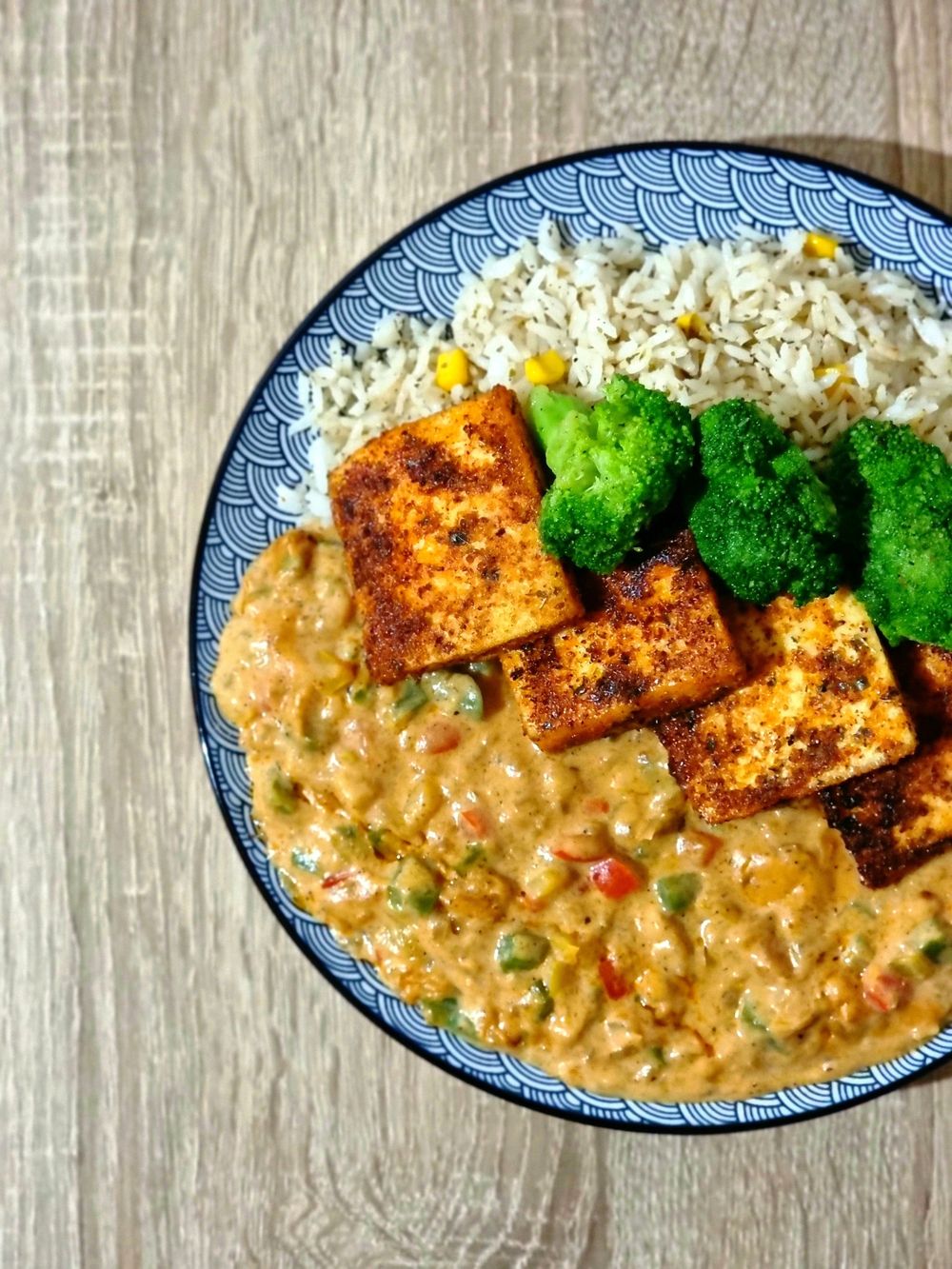
Lunch bowls4 min read
This plant-based bowl uses a tray of tofu, a separately cooked grain and broccoli that can be removed as soon as it is ready. Keep the sauce in its own small container to avoid soaking the tofu during storage. The quantities make four modest bowls that can be adjusted with additional food to suit the meal you want.
Read the guide ↗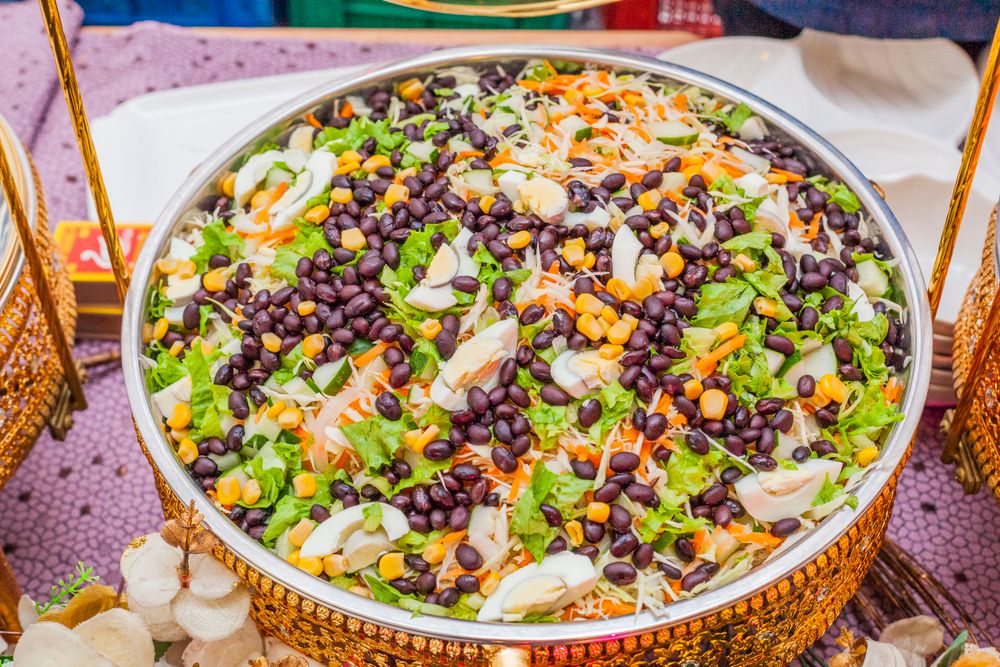
Cold lunches4 min read
Canned beans and a pot of quinoa make a convenient base for a lunch that can be served cold when safely stored, or reheated before adding the fresh topping. Pack the tomato component separately if you want to preserve texture. This is a flexible assembly recipe, not a claim about a particular nutrition target.
Read the guide ↗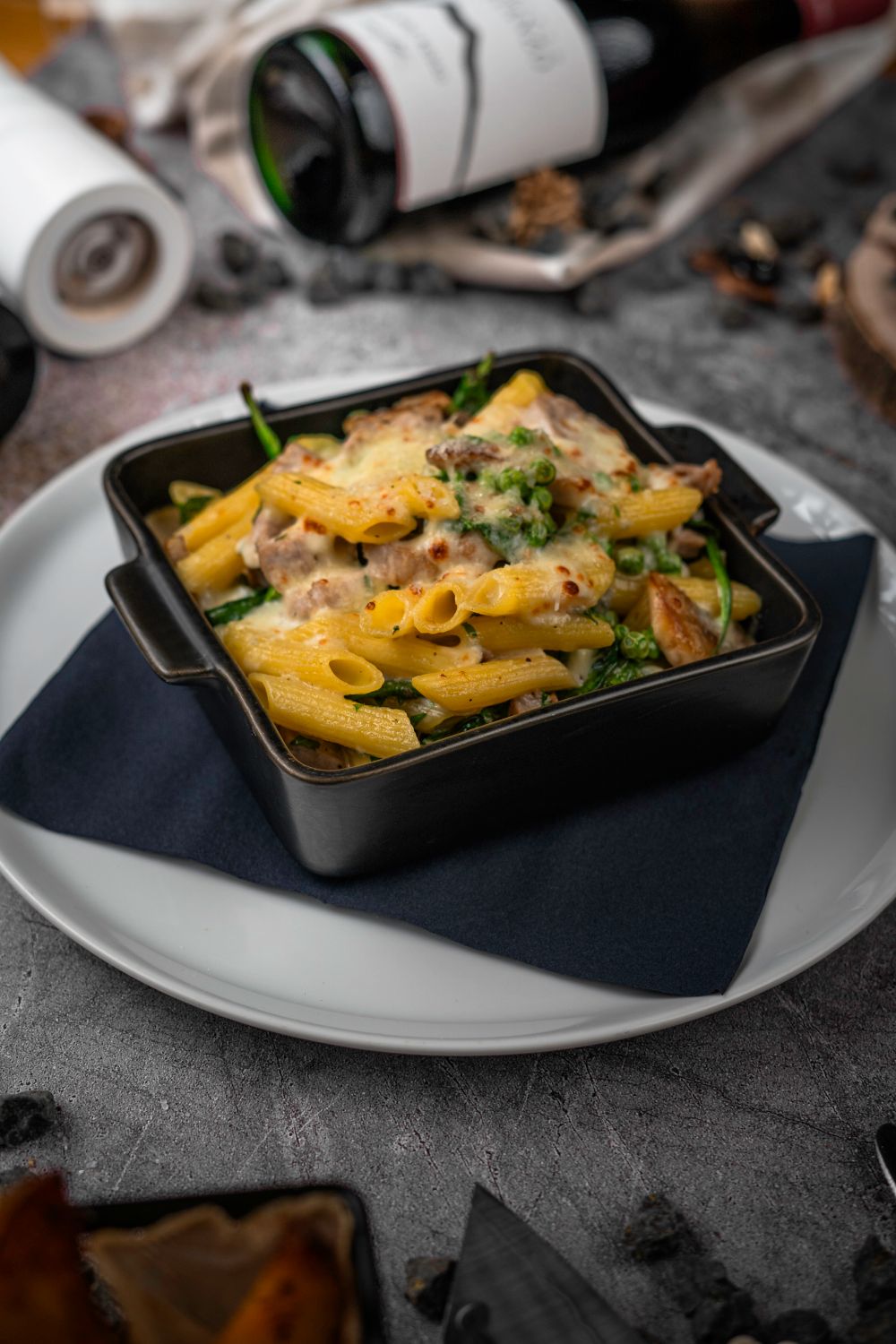
Batch cooking4 min read
A pasta bake is useful when you want one finished dish rather than several loose components. This version combines cooked ground turkey, tomato sauce, spinach and pasta, with a measured cheese topping. It makes six portions for serving and prompt storage, not a recommendation to keep six days of lunches in the refrigerator.
Read the guide ↗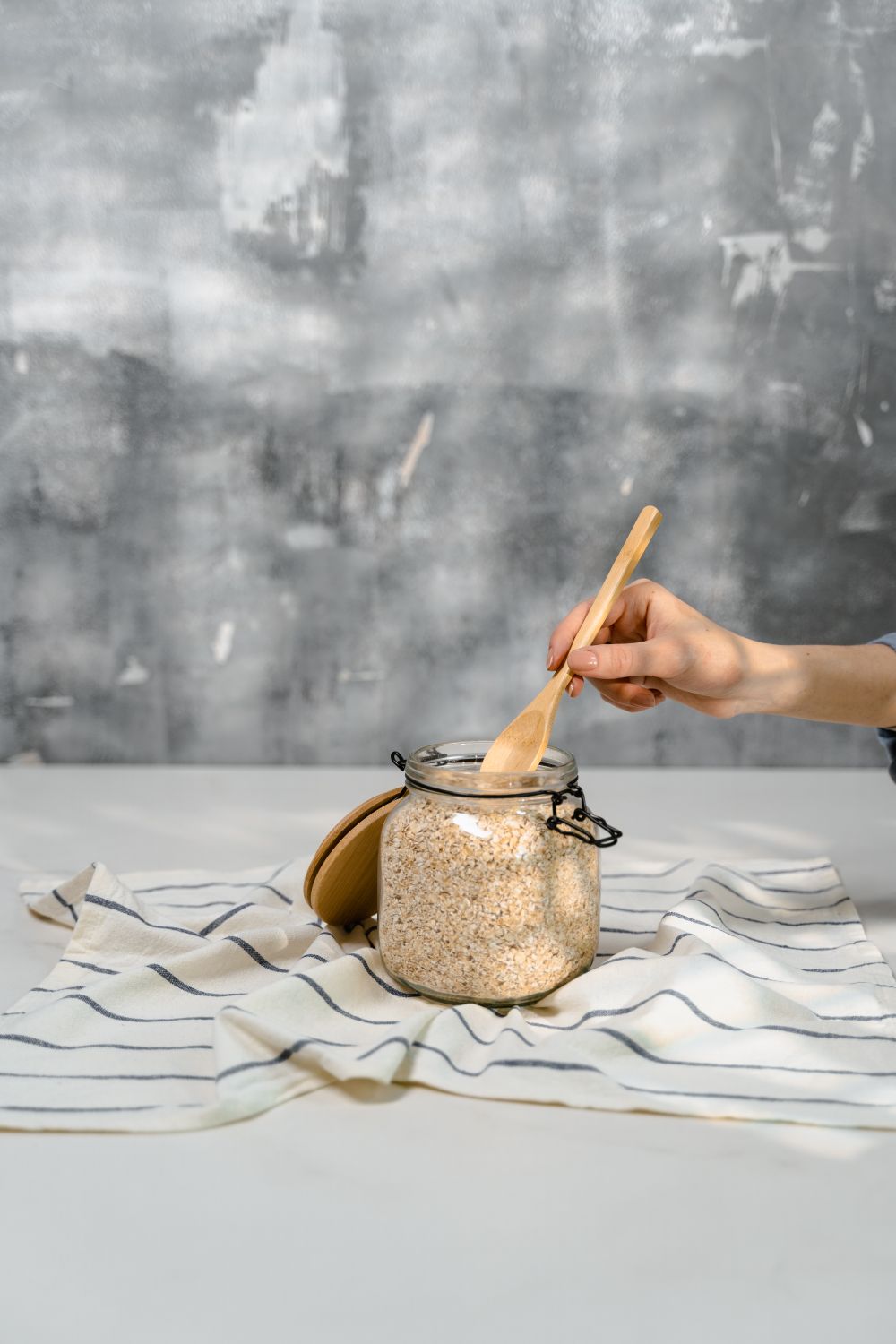
Breakfast prep4 min read
Four simple jars make breakfast easier to organise without cooking a pot each morning. Rolled oats hydrate in the refrigerator with milk and plain yogurt. Keep the base plain enough to change the topping, use clean containers, and remember that an uncooked refrigerated breakfast is still a perishable food.
Read the guide ↗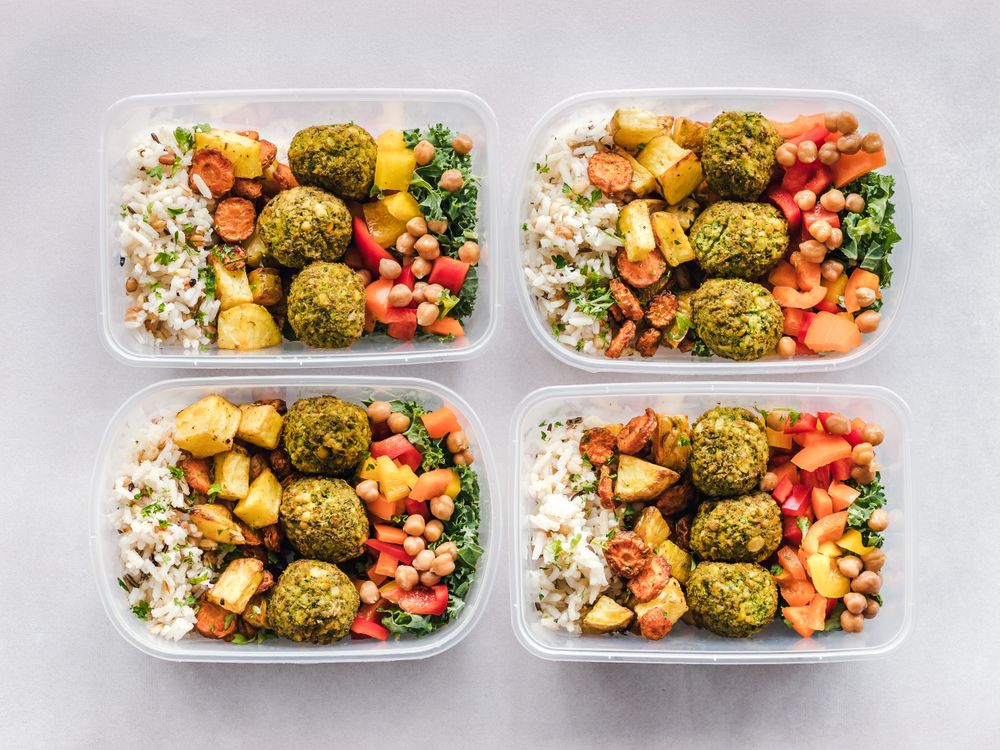
Planning guides4 min read
A practical order of work for one grain, one main component and one vegetable, with a realistic cooling and storage plan.
Read the guide ↗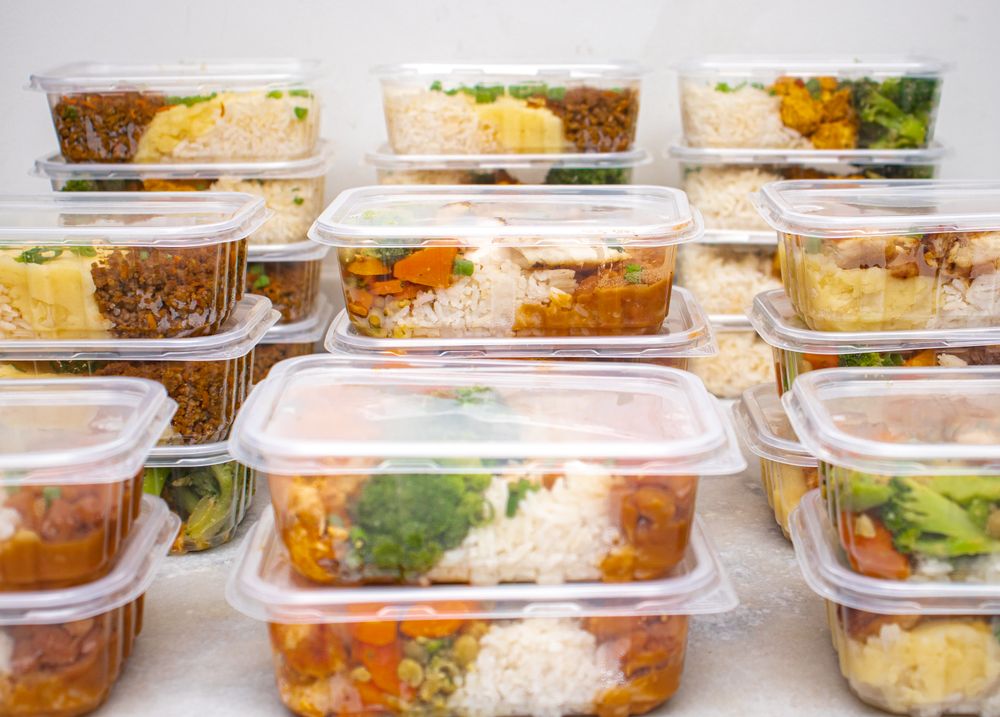
Planning guides4 min read
Decide what to refrigerate, what to freeze and how to transport a prepared lunch without stretching its safe storage window.
Read the guide ↗