Overnight Oats Jars: A Four-Portion Preparation Guide
Four simple jars make breakfast easier to organise without cooking a pot each morning. Rolled oats hydrate in the refrigerator with milk and plain yogurt. Keep the base plain enough to change the topping, use clean containers, and remember that an uncooked refrigerated breakfast is still a perishable food.
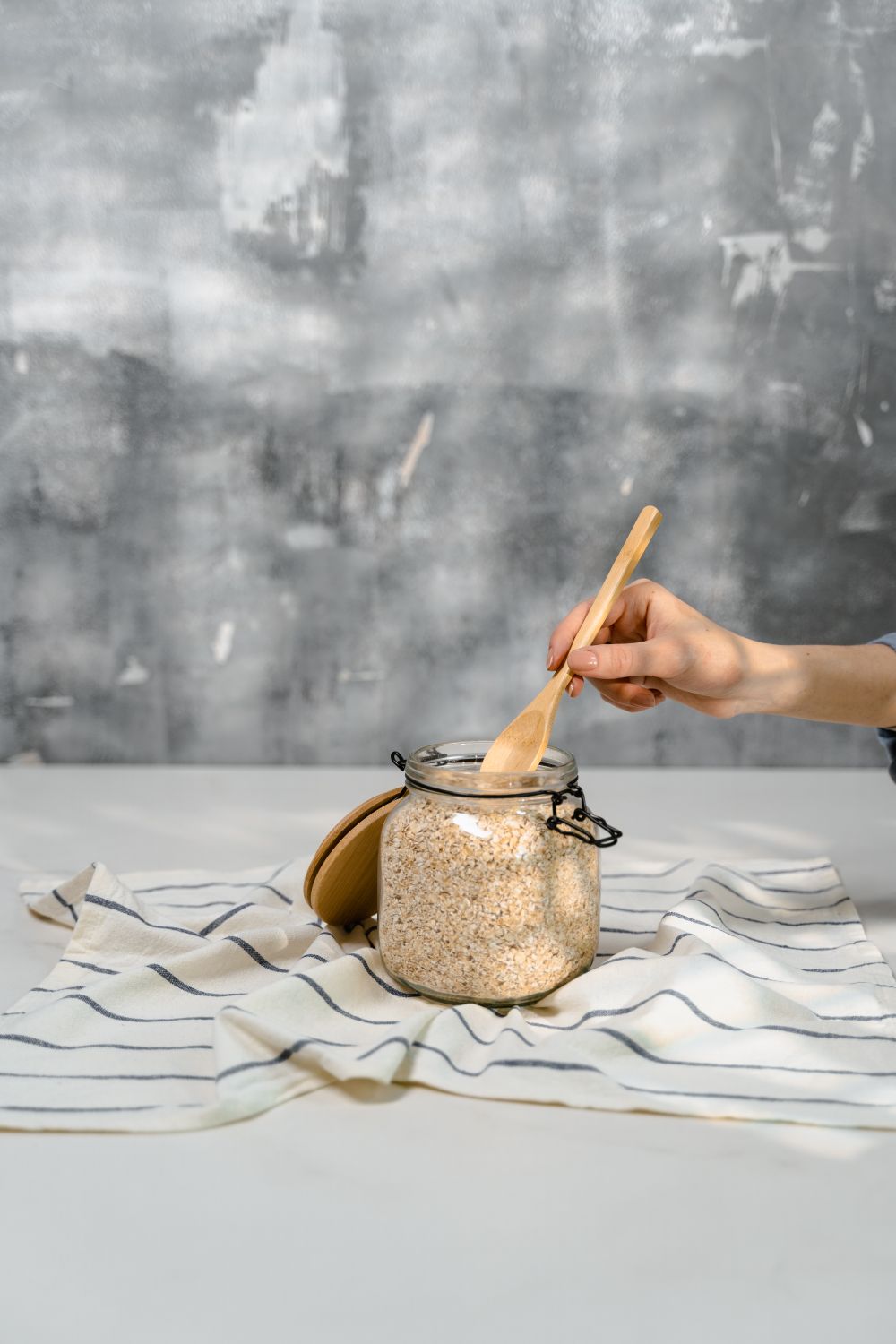
Photo: MART PRODUCTION · Photo license. Oats-in-a-jar subject matches; stock photography is not claimed as recipe test.
Ingredients
US kitchen measures and practical metric equivalents. For cans, the weight is the package size before draining unless stated otherwise.
| Ingredient | US measure | Metric |
|---|---|---|
| old-fashioned rolled oats | 2 cups | 180 g |
| pasteurised milk or a suitable refrigerated alternative | 3 cups | 720 mL |
| plain yogurt | 1/2 cup | 120 g |
| maple syrup | 4 tsp, optional | 20 mL, optional |
| washed fruit or other preferred topping | At serving | At serving |
Ingredient notes: Contains milk when made as written. Oats and alternative milks require label checks for individual allergen needs.
Step-by-step method
- Set out four clean, food-safe jars or containers with lids, each large enough for the hydrated oats and a little room to stir. Check dates on the milk and yogurt and keep them refrigerated until you are ready to mix.
- Put 1/2 cup rolled oats into each jar. Divide the milk among the four jars, giving each about 3/4 cup. Add 2 tablespoons plain yogurt per jar and the optional teaspoon of syrup if using.
- Stir each jar thoroughly so dry pockets of oats do not remain at the bottom. Leave space above the mixture instead of filling to the rim. Close the lids and label the date of preparation.
- Refrigerate immediately and allow the oats to hydrate overnight. Do not leave the jars on the kitchen counter to speed the process. This recipe is designed around cold hydration, not fermentation.
- Stir the first jar in the morning and adjust the serving texture with a small amount of cold milk if desired. Add washed fruit, nuts or another topping just before eating, taking its allergens and storage needs into account.
- Keep the remaining jars cold and plan to use them conservatively within 3–4 days, or sooner if an ingredient’s storage instructions require it. Use cold transport for breakfast away from home and discard food that has not been held safely.
Choose oats with the intended texture
Old-fashioned rolled oats become softer after soaking while retaining some texture. Steel-cut oats and quick oats behave differently and are not identical replacements for this guide. A change of oat type affects both liquid absorption and the experience of eating the finished jar. The recipe does not claim that one type is medically better than another. Use oats and other ingredients that meet your own dietary requirements and check labels where cross-contact matters.
Keep topping choices separate
Fruit added at serving often keeps a fresher texture than fruit left in every jar for several days. Nuts and seeds can be packed separately if you want crunch. Standard milk and yogurt introduce milk; an alternative product may contain soy, tree nuts or other ingredients. No single replacement makes every version allergy-safe. A sweetened flavored yogurt will also change the flavour, so taste before adding syrup.
Plan breakfast without a nutrition promise
These are portioning instructions, not calculated calorie or protein targets. Adjust the amount you serve and the rest of your breakfast to your own needs. If a medical condition affects your diet, use individual professional advice instead of treating a jar recipe as a prescription. Keeping the food cold is part of the preparation from the first evening through transport and serving; a lid alone does not make it shelf-stable.
Your quick checklist
- Use clean jars and check the dairy or plant milk use-by date.
- Refrigerate at 40°F (4°C) or below overnight; this is not a room-temperature soak.
- Keep the jars cold during transport and follow the storage section.
Common questions
Can I make these with steel-cut oats?
Not using the same proportions and overnight texture expectation. Choose a method written for steel-cut oats or use the rolled oats specified here.
Can I leave a jar in my bag until lunchtime?
Only with appropriate cold storage. Use an insulated bag with adequate cold sources when a refrigerator is not available.