Black Bean and Quinoa Lunch Bowls
Canned beans and a pot of quinoa make a convenient base for a lunch that can be served cold when safely stored, or reheated before adding the fresh topping. Pack the tomato component separately if you want to preserve texture. This is a flexible assembly recipe, not a claim about a particular nutrition target.
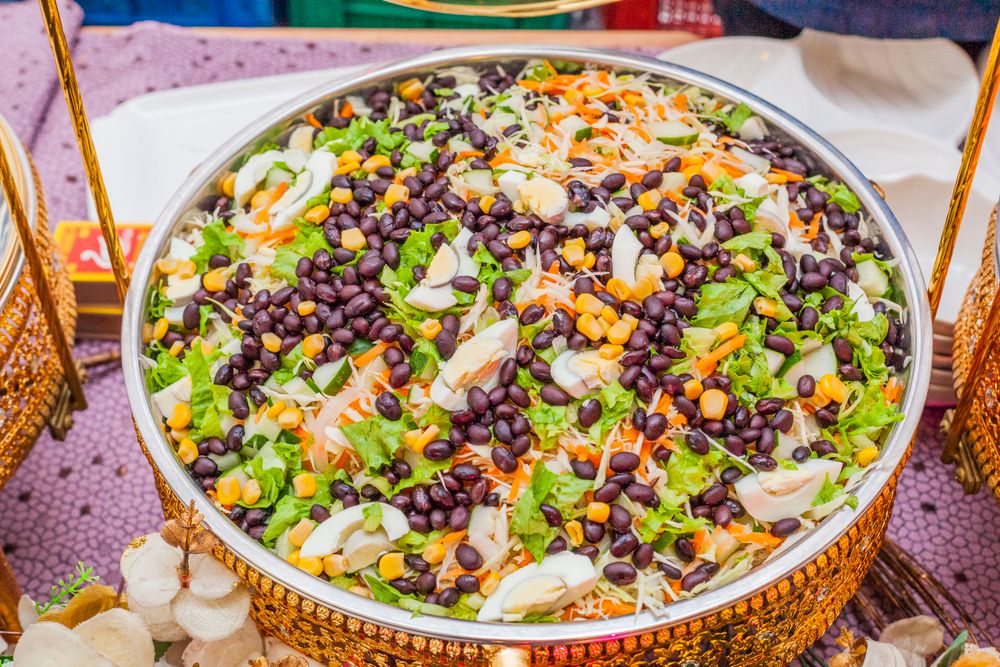
Photo: Shalom Dare · Photo license. Black beans and corn are relevant; quinoa is not visible. Caption as bean-and-vegetable inspiration, not exact recipe.
Ingredients
US kitchen measures and practical metric equivalents. For cans, the weight is the package size before draining unless stated otherwise.
| Ingredient | US measure | Metric |
|---|---|---|
| quinoa | 1 cup dry | 170 g dry |
| water | As directed on package | As directed on package |
| black beans, drained and rinsed | 1 can (15 oz) | 425 g can |
| corn, cooked according to package if frozen | 1 cup | 150 g |
| cherry tomatoes, halved | 1 cup | 150 g |
| olive oil | 2 tbsp | 30 mL |
| lime juice | 2 tbsp | 30 mL |
| ground cumin | 1/2 tsp | 2.5 mL |
| fine salt | 1/4 tsp | 1.25 mL |
Ingredient notes: Check the labels of seasonings and packaged ingredients for your own allergen needs.
Step-by-step method
- Read the quinoa instructions and rinse if directed. Cook with the package’s water ratio, then allow the stated covered standing time. Fluff gently instead of stirring a wet pot continuously.
- Drain and rinse the beans. Prepare frozen corn using its package cooking directions rather than assuming it is ready to eat directly from the bag. Wash and halve the tomatoes with clean utensils.
- Whisk oil, lime juice, cumin and salt in a small bowl. Choose whether you want the tomato component added now for an immediate meal or packed separately for later lunches.
- Combine prepared quinoa, beans and corn, then fold in the dressing. Divide among four shallow containers and add the tomato component to the current serving or pack it separately.
- Refrigerate later portions promptly and label the preparation date. Keep tomatoes and optional toppings cold as well. Follow the storage guide rather than treating an acid dressing as a preservation method.
- Serve safely chilled, or reheat the cooked base to 165°F (74°C) before adding cold toppings. Stir or rearrange the food during reheating where practical and use a thermometer to check the centre.
Separate texture from temperature safety
Keeping tomatoes separate is mainly a texture choice: their liquid can collect in the grain. It does not remove the need to refrigerate the cooked base. A bowl intended to be eaten cold must remain safely cold during transport. If you reheat the base, move the cold topping out first so you can heat the cooked ingredients consistently. Both approaches depend on the original preparation and storage, not just the final serving preference.
Change a topping without changing the whole batch
Chopped herbs, a little avocado or a separately packed salsa can give each serving a different finish. Add avocado nearer serving if you want a fresher appearance. Cheese introduces milk, and a commercial dressing may contain other allergens. The plain ingredient list is useful, but it is still important to read the packaging when preparing for a specific allergy or dietary requirement. We do not certify the meal as free from cross-contact.
Make the next batch more predictable
Note the quinoa brand, package ratio and actual amount of cooked grain you obtained. If the texture is wet, check whether it needed a covered rest or less agitation rather than adding dry ingredients to absorb liquid at random. Drain canned beans thoroughly. Prepare only the portions that fit your safe storage plan, freezing a later portion promptly if needed instead of extending the refrigerator window to match a busy week.
Your quick checklist
- Read the whole method and measure the ingredients before heating.
- Check your appliance instructions and leave room for air to circulate.
- Use the doneness checks in the method; the clock is only a starting guide.
Common questions
Can I use rice instead of quinoa?
Yes, with the rice’s own cooking method and the same prompt cooling and storage plan. The amounts and finished texture will change.
Can the bowl be eaten cold?
Yes, if the cooked ingredients have been prepared and stored safely. Use cold transport and do not leave the meal at room temperature for an extended period.