A One-Hour Meal Prep Framework for Four Lunches
The useful part of meal prep is having meals you can safely store and actually want to eat. One hour is a planning framework, not a guarantee for every kitchen or recipe. Start with a familiar menu and read it before switching on the oven. The example below uses our chicken and rice bowls; adjust the clock to your equipment and keep the food checks in charge.
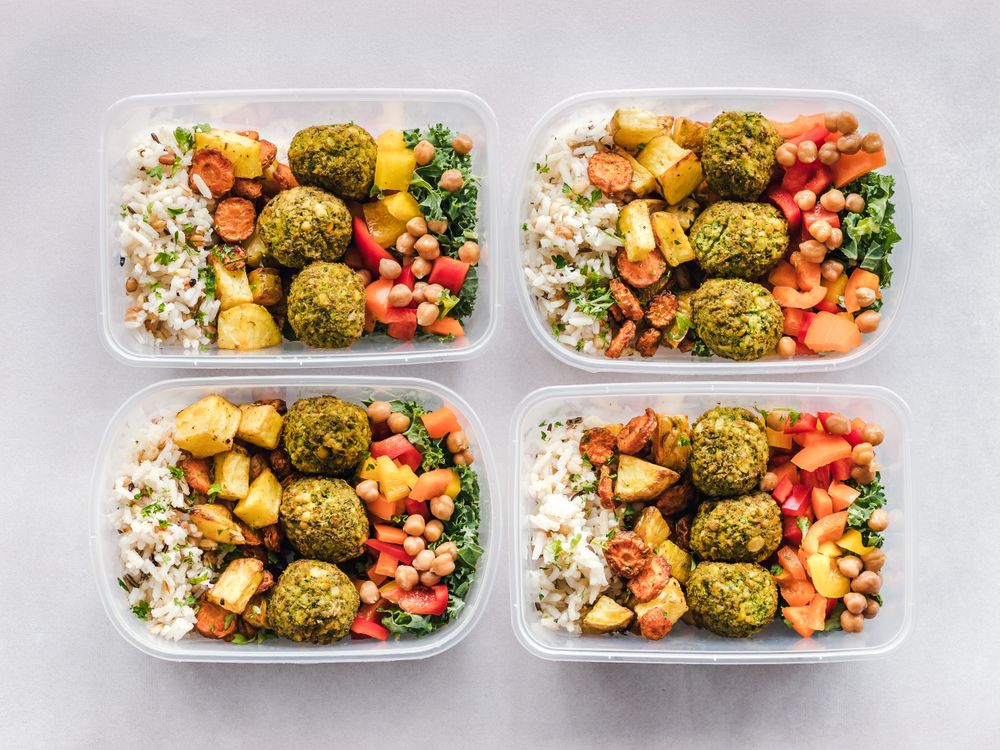
Photo: Ella Olsson · Photo license. Appropriate varied meal-preparation example; do not identify as the exact one-hour plan batch.
What you need
- The full ingredient list from your chosen recipe
- A food thermometer
- Four shallow food containers with lids
- Separate tools for raw poultry and ready-to-eat food
- Labels or a way to mark preparation dates
Step by step
- Before the hour: check ingredients, refrigerator space and the complete recipe. Decide which portions will be eaten soon and which may need prompt freezing. A shopping trip, thawing frozen chicken and washing a crowded kitchen are not hidden inside this one-hour example.
- Minutes 0–10: read the grain package, start its appropriate cooking method and heat the oven. Set out separate trays and clean tools. Prepare the vegetable before handling raw poultry so the ready-to-eat area stays distinct.
- Minutes 10–20: season and arrange the vegetable, then prepare the poultry on its separate tray. Wash hands and clean the raw-food area. Put each component into the oven according to the recipe rather than assuming every tray needs the same time.
- Minutes 20–40: check vegetables and the grain as they finish. Check chicken with a thermometer, allowing it to reach 165°F (74°C). A thicker piece may extend the framework; do not remove it early to keep the schedule attractive.
- Minutes 40–55: use clean tools to divide cooked components into shallow containers. Put any cold sauce in separate containers. Serve the immediate meal and refrigerate the later portions promptly rather than leaving the entire batch on the counter.
- Before finishing: label preparation dates, tidy the work area and note which portion needs freezing. If cooling, portioning or cleaning takes longer, let the plan take longer. The finished result is safely stored food, not a timer photograph.
Choose one menu before adding variety
A first batch is easier when you make one coherent meal instead of four unrelated recipes. Choose ingredients you already use and a method that fits your equipment. Once the basic routine works, change a sauce or a finishing vegetable at serving time. This reduces the number of raw ingredients and cooking endpoints you have to manage at once. Variety can come from the finish rather than a more complicated preparation session.
Give cooling its own space in the plan
Clear refrigerator space before cooking, use shallow containers and avoid placing a large hot batch in one deep container. Prompt refrigeration matters, including for cooked rice and other grains. Do not wait for the whole batch to become completely cold at room temperature. If you do not have enough suitable containers or refrigerator space, reduce the batch rather than preparing food you cannot store appropriately.
Make a realistic workweek decision
A Sunday batch does not automatically cover every lunch through Friday in the refrigerator. Use the storage guidance and freeze a later portion promptly where appropriate, or prepare another small batch midweek. Plan cold transport and access to reheating before choosing a lunch. If you cannot keep a perishable meal cold, choose another suitable arrangement instead of relying on the office microwave to solve the storage problem.
Review the process, not your appearance
After a batch, note where time was lost: searching for containers, waiting for the oven, cutting vegetables too unevenly or having too little counter space. Change one practical issue for the next time. This framework does not claim weight loss, a particular calorie intake or a guaranteed saving. Its purpose is a clearer order of work that you can adapt to your kitchen, schedule and household.
Your quick checklist
- Read one complete menu before cooking.
- Clear refrigerator space and set out shallow containers.
- Use the thermometer and storage guidance even if the timetable changes.
Common questions
Does the hour include thawing frozen meat?
No. Thawing needs its own safe plan. Begin this framework with ingredients already ready for the recipe.
What if cooking takes longer?
Allow the extra time. Safe doneness and prompt storage take priority over finishing within a decorative timetable.
Do I need four identical lunches?
No, but one base can simplify a first batch. Keep suitable finishing ingredients separate and vary them at serving.