Meal Prep with Allergy Needs: Keep Ingredients and Cross-Contact Questions Visible
An allergy-aware meal plan needs more than removing a visible topping. Read actual labels, understand the person’s requirements and prevent inappropriate cross-contact through preparation and service. Use qualified individual guidance where needed; this article does not certify a home kitchen or meal as allergen-free.
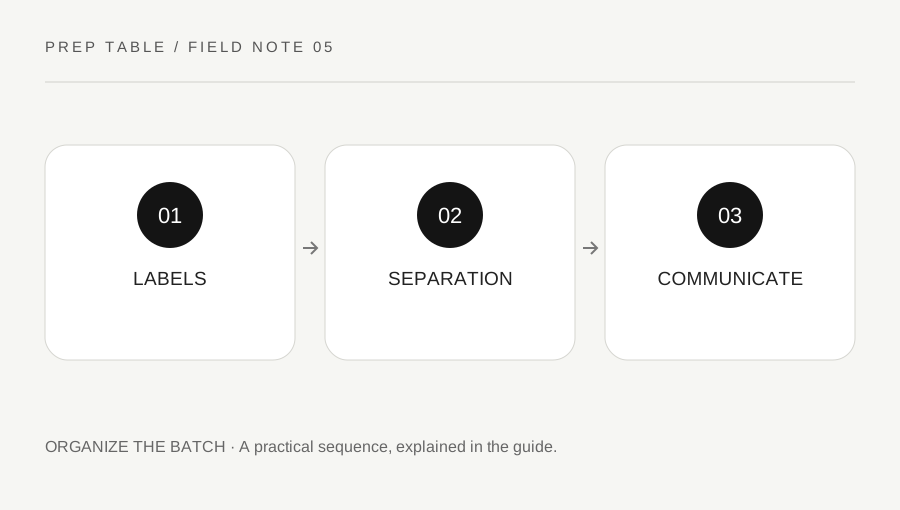
Original explanatory diagram. Examples illustrate a method or decision; they are not claims of personal testing.
Confirm the actual requirement
Ask the person or responsible caregiver what ingredients and handling precautions are required, following their appropriate medical guidance. Do not substitute a preference-based menu label for an allergy plan. Different people can have different needs.
Keep the ingredient list for each component available, including sauces, spice blends and packaged additions. A broad food name can hide relevant ingredients. Recheck labels when buying a replacement product rather than assuming a familiar brand or colour means the formula is unchanged.
Plan preparation and utensils
Use appropriate separation and cleaning methods for the actual need, with qualified guidance where relevant. Shared utensils, containers and work areas can transfer material. A clean-looking surface or a quick casual wipe is not a universal assurance.
Do not use a common serving spoon across components when that would create cross-contact. Keep the intended meal clearly identified throughout the process. Removing a topping at the end does not undo contact that has already occurred.
Keep packaging and labels linked
Save relevant package information while preparing and portioning. If a meal is transferred to a new container, preserve the actual ingredient and allergen information rather than replacing it with a vague name such as safe lunch.
Do not make a blanket allergen-free claim unless there is an appropriate basis. A home preparation note should describe what was used and what precautions were followed, while leaving unresolved questions visible. The absence of an obvious ingredient is not proof that every risk has been excluded.
Work through a sauce substitution
Imagine a familiar sauce is unavailable and another bottle appears similar. Read the replacement's complete ingredient and relevant labeling information before adding it to a shared batch. If suitability cannot be established under the person's requirements, choose another appropriate option.
Do not add it first and plan to remove the sauce from one portion later. Once mixed, the component's identity and contact history have changed. A clear decision before mixing is easier to communicate and more useful than a reassuring but unsupported final label.
Communicate at handoff
Provide accurate component information and any relevant handling instructions to the person receiving the meal. Do not pressure someone to eat it because you believe the precautions should be enough. Their appropriate requirements and guidance govern the decision.
Keep uncertainty honest and use professional advice where needed. This organizational framework does not diagnose allergies, replace an emergency plan or validate a specific kitchen. Its purpose is preserving actual ingredient and process information so meal preparation does not rely on assumptions hidden behind a neat container.
Use a component list that names every sauce, topping and packaged addition, with the relevant label information available. If a product is substituted, pause before adding it and check the person's actual requirements. Keep any necessary preparation precautions clear through portioning, storage and handoff, not only at the first mixing step. A shared spoon used later can change contact history. Do not ask someone to accept an uncertain meal because the ingredient is only present in a small amount or because another person eats it comfortably. This organizational note does not replace an individual medical or emergency plan. Its value is honest communication about ingredients, processes and unresolved questions so the recipient can make the appropriate decision under their guidance.
A practical checklist
Choices are saved in this browser. Reset them here or clear this site’s browser storage.
Questions that come up
Can removing a topping make an exposed meal suitable?
Do not assume so. Contact may already have occurred. Follow the person’s appropriate allergy requirements and guidance.
Does a familiar package guarantee unchanged ingredients?
No. Recheck the actual label, especially when products are replaced or reformulated.
Does this certify a home meal as allergen-free?
No. It is an information and organization guide, with individual requirements and qualified advice remaining essential.
References & scope
Background references checked on 18 October 2026. Worked examples and diagrams are original teaching material.